Sleep & Stress Study - Wearables
Predictive Models • Research Initiative
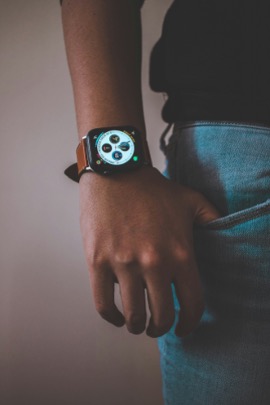
Challenge
The rapid evolution of the world with ever increasing reliance on technology and media is impacting sleep and behavior. This can lead to fatigue and burnout, posing risks in critical job roles. Wearables help monitor workers, enabling timely response to potential hazards.
To understand the global problem of quality of sleep and stress related challenges faced by different workforce with demanding schedules and how it is taking a toll on peoples health, our Major client wanted to have comprehensive investigation of these disorders and how we can predict the onset of stress and anxiety amongst their workers and staff to mitigate its effects specially on mission-critical individuals say in operations of hazardous infrastructure.
Our Approach
For the first part we used AI techniques to develop prediction models to accurately predict for detecting quality of sleep and stress levels, using measurements from wearable and heart-rate monitoring. ECG and motion tracking, with the objective of capturing the impact of a person’s healthy or unhealthy life-style on the sleep quality and the stress related parameters amongst nurses, policemen and similar verticals. With validated stable population of subjects along with surveyed details collected about behavioural life-styles of the individuals. For the scoring of efficiency, we integrated our model to a large-scale IoT wearables architecture. Instead of using sensor data as input, we then went on to perform the analysis of relating the sleep efficiency variables with prevalent conditions of patients, their demographic and behaviour aspects.
Results
The study suggested a strong relationship between behavioural choices and sleep efficiency. Key findings indicate that obese-apnea, irregular work hours, and artificial light exposure significantly impact sleep patterns. Individuals with exit or rotating shifts exhibited lower REM sleep percentages. Irregular sleep schedules can lead to “Shift Work Disorder,” resulting in sleep deprivation, stress, and workplace risks due to reduced cognitive function.
Business Value
The initiative helped enable enhanced worker safety programmes through identifying at-risk workers early, enabling proactive intervention, and improving overall workplace health and productivity.